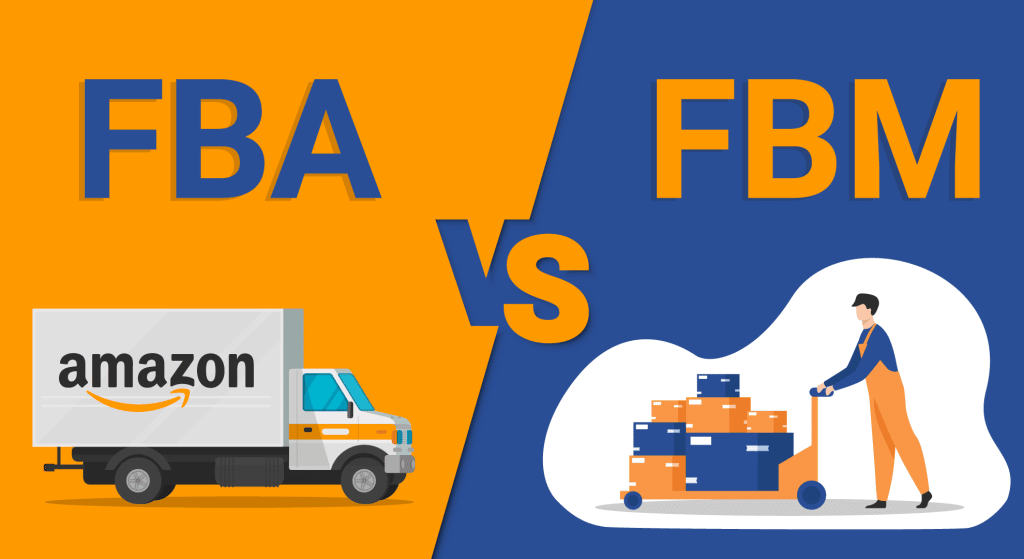
If you’ve ever dreamed of starting your own online business, selling on Amazon is one of the most popular and profitable ways to do it. In 2026, Amazon continues to dominate the e-commerce world, offering a massive marketplace for sellers of all sizes. However, one of the first questions new sellers face is whether to use Amazon FBA vs FBM: Which is Better for New Sellers in 2026? Complete Beginner Guide. This guide will help you understand the differences, advantages, and challenges of both options so you can make the best choice for your business.
What is Amazon FBA and FBM?
Before diving into which option is better, it’s essential to understand what FBA (Fulfillment by Amazon) and FBM (Fulfillment by Merchant) mean.
Amazon FBA
Amazon FBA allows sellers to store their products in Amazon’s fulfillment centers. Amazon then handles storage, packaging, shipping, and customer service. This is ideal for sellers who want to save time and scale their business quickly. FBA also provides access to Amazon Prime customers, which can significantly increase sales.
Amazon FBM
With FBM, you handle the storage, packaging, and shipping of your products yourself. This option gives you more control over inventory and shipping, but it requires more effort and resources. FBM may be better suited for sellers with specialized or fragile products that need careful handling.
Amazon FBA vs FBM: Key Differences
When comparing Amazon FBA vs FBM: Which is Better for New Sellers in 2026? Complete Beginner Guide, consider the following factors:
Shipping and Handling
FBA: Amazon handles everything from storage to shipping.
FBM: You are responsible for shipping and managing inventory.
Fees
FBA: Involves storage fees, fulfillment fees, and potential long-term storage fees.
FBM: Typically lower fees, but you pay for shipping, packaging, and fulfillment yourself.
Customer Reach
FBA: Products are eligible for Amazon Prime, reaching millions of loyal customers.
FBM: Limited to standard Amazon shipping unless you meet certain criteria for Prime.
Control
FBA: Less control over packaging and shipping, but more automation.
FBM: Full control over your brand presentation, packaging, and fulfillment process.
Time Investment
FBA: Less time spent on daily logistics, freeing you to focus on marketing and sales growth.
FBM: Requires more hands-on effort daily.
Pros and Cons for New Sellers
To make the decision easier, here’s a clear comparison of the advantages and disadvantages of FBA vs FBM for beginners in 2026:
FBA Pros:
Prime eligibility increases visibility and trust.
Amazon handles returns and customer service.
Less time managing shipping logistics.
Easier to scale your business globally.
FBA Cons:
Higher fees may reduce profit margins.
Less control over packaging and delivery.
Long-term storage fees if products don’t sell quickly.
FBM Pros:
Lower upfront costs.
Full control over your inventory and packaging.
Ideal for specialized or custom products.
Avoids long-term storage fees.
FBM Cons:
More time-consuming.
You handle customer service and returns.
Limited exposure to Prime customers.
Step-by-Step Guide to Start Selling on Amazon in 2026
Whether you choose FBA or FBM, the process to start selling on Amazon is straightforward but requires careful planning. Here’s a complete beginner guide:
Step 1: Choose Your Selling Plan
Amazon offers two plans:
Individual Plan: No monthly subscription, but $0.99 per item sold.
Professional Plan: $39.99/month, with unlimited listings and access to advanced tools.
For serious sellers, the Professional Plan is generally recommended.
Step 2: Select Your Product
Choosing the right product is critical for success. Look for:
High demand, low competition products.
Lightweight and easy-to-ship items (especially for FBA).
Products with good profit margins.
Use tools like Jungle Scout, Helium 10, or Amazon’s own research tools to analyze trends for 2026.
Step 3: Source Your Products
You can source products from:
Wholesale suppliers
Manufacturers (domestic or overseas)
Private labeling products
Always request samples to ensure quality before making large orders.
Step 4: Set Up Your Amazon Seller Account
Create a professional seller account on Amazon Seller Central. Enter your business information, tax details, and bank account info to get started.
Step 5: Create Product Listings
Your product listing should be optimized for search engines and Amazon’s search algorithm. Include:
Clear and engaging titles
High-quality images
Detailed bullet points
Strategic keywords (like “Amazon FBA vs FBM: Which is Better for New Sellers in 2026? Complete Beginner Guide”) in the description
Step 6: Choose FBA or FBM
Decide which fulfillment method fits your business:
FBA if you want automation, Prime access, and easier scaling.
FBM if you prefer control and lower upfront costs.
Step 7: Launch and Promote Your Product
Promote your listings using:
Amazon Sponsored Ads
Social media campaigns
Influencer collaborations
Email marketing
Consistent promotion helps you generate initial reviews and sales momentum.
Step 8: Monitor and Optimize
Use Amazon’s analytics tools to track:
Sales performance
Customer feedback
Inventory levels
Adjust your strategy to maximize profits and improve your product listings over time.
Tips for New Sellers in 2026
Start Small: Test a small batch of products before scaling.
Focus on Customer Service: Happy customers leave reviews and boost your ranking.
Optimize Keywords: Use relevant keywords in your listing titles and descriptions.
Stay Updated: Amazon policies and trends evolve constantly, so keep learning.
Consider Hybrid: Some sellers use FBA for bestsellers and FBM for niche products.
Which is Better: Amazon FBA or FBM in 2026?
The answer depends on your goals, budget, and resources. Here’s a quick summary:
| Feature | FBA | FBM |
|---|---|---|
| Upfront Cost | Higher | Lower |
| Shipping & Handling | Amazon | Seller |
| Prime Eligibility | Yes | Optional |
| Control over Brand | Less | More |
| Best for | Scaling fast, Prime customers | Niche/custom products, cost-conscious sellers |
For most beginners in 2026, FBA is often recommended because of the convenience, Prime exposure, and potential for faster sales. However, FBM can be the better choice for sellers who want more control, lower fees, or specialized products.
Conclusion
Starting to sell on Amazon in 2026 is an exciting opportunity, but choosing the right fulfillment method is crucial. By understanding Amazon FBA vs FBM: Which is Better for New Sellers in 2026? Complete Beginner Guide, you can make informed decisions that align with your business goals. Whether you opt for FBA to streamline your operations or FBM to maintain control and reduce costs, the key to success lies in preparation, research, and ongoing optimization.