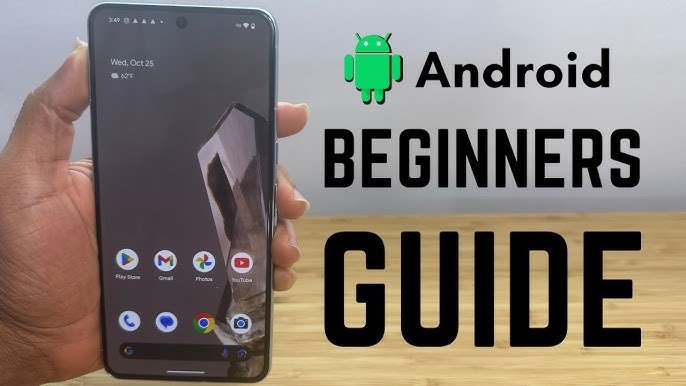
In today’s digital era, smartphones have become essential, and Android dominates the mobile operating system market. Whether you are a beginner or an experienced user, having a comprehensive Android User Information Guide can help you maximize your device’s capabilities. This guide will walk you through everything from basic setup to advanced features, tips, and best practices for a smooth Android experience.
What is Android?
Android is an open-source mobile operating system developed by Google. It powers millions of devices worldwide, including smartphones, tablets, and even smart TVs. Its flexibility, customizability, and extensive app ecosystem make it the preferred choice for users seeking a personalized mobile experience.
Understanding Android is the first step in becoming a proficient user. Our Android User Information Guide will help you navigate the system efficiently, ensuring you get the most out of your device.
Getting Started: Setting Up Your Android Device
When you first power on your Android device, a setup wizard guides you through the initial process. Here’s what you need to know:
Sign in with your Google Account – Your Google account is central to Android. It allows you to access the Google Play Store, Gmail, Google Drive, and other essential services.
Wi-Fi & Data Connection – Connect to a stable Wi-Fi network to download updates and apps.
Restore or Set Up as New – If you’re switching from another device, Android allows you to restore your previous apps and settings from your Google account.
Security Setup – Enable screen locks, fingerprint recognition, or face unlock for added security.
Following these steps ensures your device is ready for daily use. The Android User Information Guide emphasizes setting up security features early to protect personal data.
Exploring the Android Interface
Android devices may vary in appearance depending on the manufacturer, but most share similar core features:
Home Screen – The central hub of your device where you can place widgets, shortcuts, and apps.
Navigation Bar – Usually located at the bottom, it includes Back, Home, and Recent Apps buttons.
Notification Panel – Swipe down to access notifications, quick settings, and system alerts.
Settings App – The control center for customizing and managing your device.
Understanding these elements is essential for efficient use, and our Android User Information Guide breaks down each component for clarity.
Managing Apps and Play Store Essentials
Apps are the lifeblood of any Android device. The Google Play Store provides millions of apps ranging from productivity tools to entertainment. Here’s how to make the most of them:
Installing Apps – Open the Play Store, search for the desired app, and tap install.
Managing Permissions – Control what information apps can access through your device settings.
Updating Apps – Regular updates improve functionality and security.
Uninstalling Apps – Remove unused apps to free storage and enhance performance.
The Android User Information Guide stresses the importance of monitoring app permissions to safeguard privacy and maintain device efficiency.
Essential Android Settings You Should Know
Mastering your device involves tweaking settings to suit your needs. Here are key areas:
Display Settings – Adjust brightness, screen timeout, and dark mode to reduce eye strain.
Battery Management – Optimize battery usage through power-saving modes and background activity control.
Storage Optimization – Manage internal storage and SD card space effectively.
Sound and Notifications – Customize ringtones, vibration patterns, and notification preferences.
Knowing these settings empowers users to personalize their Android experience. Our Android User Information Guide provides step-by-step instructions for each setting.
Android Security Tips
Security is a top concern for Android users. Protect your data with these tips:
Update Your Device – Always install system updates to patch vulnerabilities.
Use Strong Passwords – Avoid simple patterns and enable two-factor authentication.
Install Trusted Apps Only – Stick to the Play Store and avoid unknown APKs.
Encrypt Your Data – Enable device encryption for added protection.
Backup Regularly – Use Google Drive or other cloud services to keep data safe.
The Android User Information Guide emphasizes proactive security practices to prevent unauthorized access and data loss.
Connectivity Features: Wi-Fi, Bluetooth, and Mobile Data
Android devices excel in connectivity. Here’s a breakdown:
Wi-Fi – Connect to networks for faster internet and avoid excessive data usage.
Bluetooth – Pair devices like headphones, smartwatches, and speakers.
Mobile Data – Monitor usage to avoid exceeding limits.
Hotspot & Tethering – Share your internet connection with other devices.
Our guide helps users understand connectivity options, ensuring smooth and reliable connections wherever you go.
Customization and Personalization
One of Android’s strongest features is its customization:
Wallpapers and Themes – Change the look of your home screen to match your style.
Widgets – Add weather, calendar, and productivity widgets for quick access.
Launchers – Explore third-party launchers for a unique interface.
Fonts and Icons – Adjust system fonts and app icons for a personalized experience.
The Android User Information Guide encourages users to experiment with customization while maintaining performance and usability.
Advanced Android Features
For power users, Android offers several advanced features:
Split-Screen Mode – Use two apps simultaneously for multitasking.
Digital Wellbeing – Monitor screen time and app usage for healthier habits.
Gesture Controls – Navigate your device using gestures instead of buttons.
Developer Options – Access tools for debugging, animation scaling, and performance tweaks.
By exploring these features, users can fully harness their Android device’s potential.
Troubleshooting Common Issues
Even the best devices face occasional problems. Here are common solutions:
Slow Performance – Clear cache, uninstall unused apps, and restart your device.
Connectivity Issues – Toggle airplane mode or reset network settings.
Battery Drain – Identify power-hungry apps and enable battery saver mode.
App Crashes – Update the app or reinstall it.
Our Android User Information Guide provides practical solutions to keep your device running smoothly.
Keeping Your Android Up-to-Date
Regular updates are essential for security and performance. Android updates may include:
Security Patches – Protect your device from new threats.
System Enhancements – Improve speed, stability, and battery life.
New Features – Experience the latest tools and functionality.
Enable automatic updates to ensure your device is always optimized.
Conclusion
Mastering Android is about understanding its interface, managing apps, optimizing settings, and embracing advanced features. This Android User Information Guide has provided a complete roadmap for beginners and seasoned users alike. By following these tips, you can enhance productivity, maintain security, and enjoy a fully personalized Android experience.